An architectural reading on city image in literature
 Abstract views: 85
/
Abstract views: 85
/  PDF downloads: 80
DOI:
https://doi.org/10.26809/joa.2426Keywords:
City identity, James Joyce, Charles Dickens, Orhan Pamuk, Murathan MunganAbstract
Urban space narratives in literary works constitute a productive research area for architecture. Writers who frequently use the same city in their works are associated with that city after a while. Literary works that become a part of the city carry traces of city identity. In this study, in which the relationship between literature and architecture is examined on a city scale, the cities of Dublin, London, Istanbul and Mardin were selected with the purposive sampling method. The works of Dubliners (James Joyce), Oliver Twist (Charles Dickens), The Black Book (Orhan Pamuk) and Harita Metod Defteri (Murathan Mungan) of the authors identified with the selected cities were evaluated respectively. The intersection of literature and urban spaces was analyzed from an architectural perspective. Considering the relationship between the process of writers' identification with cities and city identity, artificial environment components were searched for in the selected works. The artificial environment components in these works were identified by content analysis method. Monumental buildings, squares and streets that constitute the components of the artificial environment were identified. From the bustling streets of Victorian London to the narrow streets of Mardin, city narratives depicted in literature were analyzed. As a result of comparative evaluations, suggestions that will add value to the city in the literature-architecture intersection are presented.
Downloads
References
ALİAĞAOĞLU, A., & NARLI, M. (2012). Edebî Miras Turizmi ve Türkiye'de Edebî Mekânlar. Bilig / Türk Dünyası Sosyal Bilimler Dergisi, 0(60), 1- 18.
ALTUĞ TURAN, İ. (2010). Kentsel Tasarımda Fiziksel Kent Kimliği Kodlarının Oluşturulması: İzmir Konak İlçesi. Doktora Tezi, Ege Üniversitesi.
ALTUN, S. S. (2013). Romanda Bir Kent İmgesi Olarak Ankara (1920-1955). Yüksek Lisans Tezi, Marmara Üniversitesi.
AYDOĞAN, M. (2001). Kent Kimliğinin Ortaya Çıkartılması İçin Kentsel Tasarım Rehberlerinin Kullanımı Kemeraltı Örneği. Yüksek Lisans Tezi, Dokuz Eylül Üniversitesi.
BALCI, U., & DİLEK, S. E. (2023). Edebiyat Turizmi (Kavramlar- Türler- Örnekler). Ankara: Detay Yayıncılık, 2. Baskı, ISBN: 9786052543764
BEYAZIT, E. (2019). Hatay Kent Kimliği. Ankara: Detay Yayıncılık, ISBN: 9786052541920
CAN, N. (1999). Kent Kimliği. Yüksek Lisans Tezi, Gazi Üniversitesi.
ÇETİN, T. (2020). Murathan Mungan’ın Hayatı ve Edebi Kişiliği Üzerine Bir İnceleme. Final Ödevi, Mersin Üniversitesi.
DICKENS, O. (2024). Oliver Twist. Çeviren: Nihan Yeğinobalı. İstanbul: Can Yayınları, 27.Baskı, ISBN: 9789750738883
DOĞAN, Ş. (2019). Orhan Pamuk'un romanlarında kent algısı. Yüksek Lisans Tezi, Batman Üniversitesi.
EDWARDS, C. (1996). Writing Rome: textual approaches to the city. Cambridge: Cambridge University Press, ISBN: 9780521559522
GRAY, D. (2013). Exploring The Dublin of James Joyce: A Guide Map [online]. https://www.doylecollection.com/blog/exploring-the-dublin-of-james-joyce-a-guide-map [Erişim Tarihi: 12/01/2024]
JOYCE, J. (2012). Dublinliler. Çeviren: Murat Belge. İstanbul: İletişim Yayınları, 12. Baskı, ISBN: 9789754700367
KANCIOĞLU, M. (2005). Çevresel imaj, kimlik ve anlam kapsamında turizm binalarına ilişkin kullanıcı değerlendirmeleri. Uludağ Üniversitesi Mühendislik-Mimarlık Fakültesi Dergisi. 10 (2).
LYNCH, K. (2022). The Image of The City. Çeviren. İrem Başaran. İstanbul: Türkiye İş Bankası Kültür Yayınları, 2.Baskı, ISBN: 978994488948
MUNGAN, M. (2015). Harita Metod Defteri. İstanbul: Metis Yayınları, 1.Baskı, ISBN: 978605316021
ÖRER, G. (1993). İstanbul’un kentsel kimliği ve değişimi. Yüksek Lisans Tezi, İstanbul Teknik Üniversitesi.
ÖZDEMİR, N. (2009). Turizm ve Edebiyat. Milli Folklor. (82): 32-49.
PAMUK, O. (1991). Kara Kitap. İstanbul: Can Yayınları, 11. Baskı, ISBN: 975510142X
PAMUK, O. (2013). İstanbul Hatıralar ve Şehir. İstanbul: Yapı Kredi Yayınları, 1. Baskı, ISBN: 9789750807169
RAZİ, B. (2006). Charles Dickens`ın Hard Times, David Copperfield, Great Expectations, Oliver Twist adlı romanlarında yoksulluk. Yüksek Lisans Tezi, Yüzüncü Yıl Üniversitesi.
UĞURLU, S. B. (2007). Bellek, tarih ve kültür: Murathan Mungan’da Mardin imgesi. Uluslararası İnsan Bilimleri Dergisi. 4(2), 1-23.
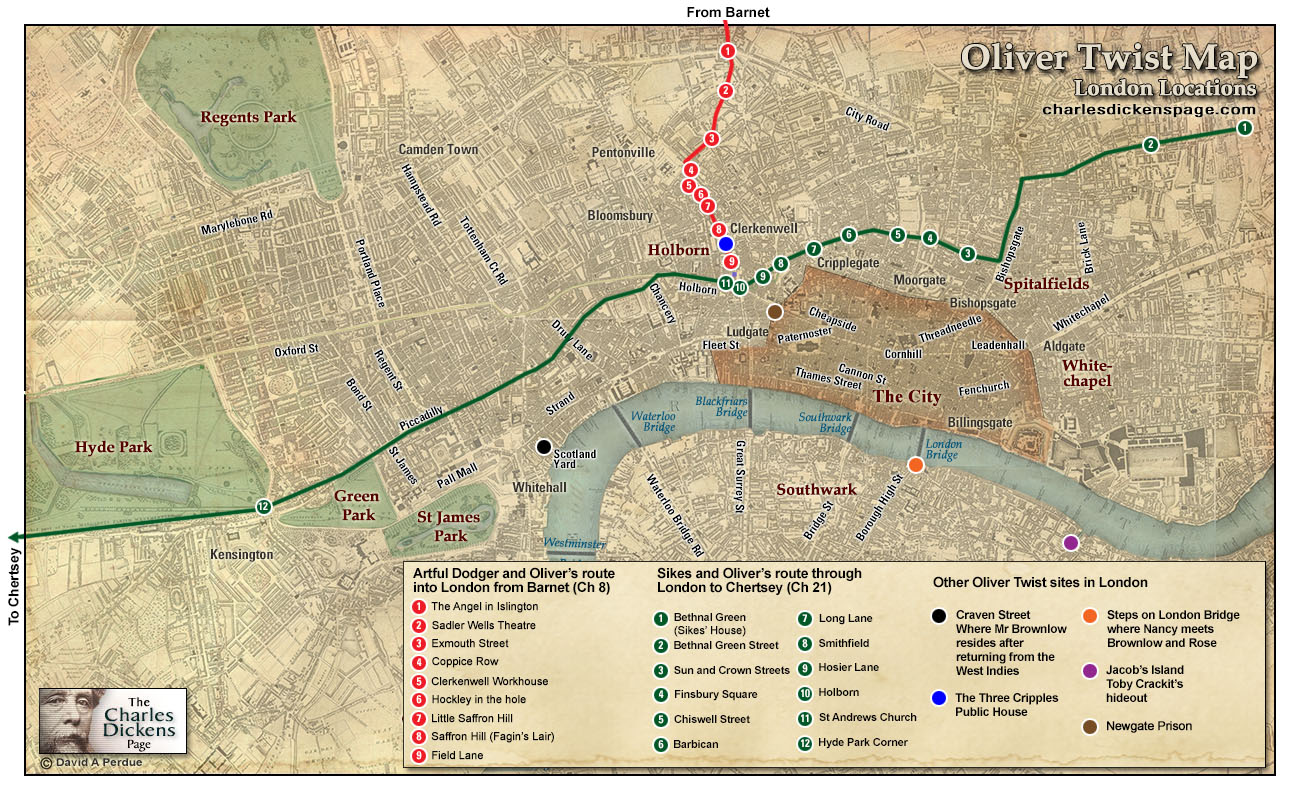
URL- 1 (2024). Charles Dickens Oliver Twist London Locations Map [online]. https://www.charlesdickenspage.com/images/Oliver-Twist-london-map.jpg [Erişim Tarihi: 12/01/2024]
UTANIR KARADUMAN, A. (2023). Kent Kimliği İnşasında Girişimci Kent Yönetimleri: Gaziantep Örneği. Gaziantep University Journal of Social Sciences. 22(1), 1-11. https://doi.org/10.21547/jss.1212689
TOSUN, N. (2009). Dublin'in Bilinçaltı: James Joyce. Hece Aylık Edebiyat Dergisi. 150/151/152, 359-368.
YÜCEL, A.G. (2017). Ahmet Hamdi Tanpınar’ın Şehir İmgesi ve Beş Şehir Kitabı, İstanbul Bölümü Üzerinden İçerik Analizi Örneği. Yüksek Lisans Tezi, İstanbul Teknik Üniversitesi.

Downloads
Published
How to Cite
Issue
Section
License
Copyright (c) 2024 Holistence Publications

This work is licensed under a Creative Commons Attribution 4.0 International License.
When the article is accepted for publication in the Journal of Awareness, authors transfer all copyright in the article to the Rating Academy Ar-Ge Yazılım Yayıncılık Eğitim Danışmanlık ve Organizasyon Ticaret Ltd. Şti.The authors reserve all proprietary right other than copyright, such as patent rights.
Everyone who is listed as an author in this article should have made a substantial, direct, intellectual contribution to the work and should take public responsibility for it.
This paper contains works that have not previously published or not under consideration for publication in other journals.